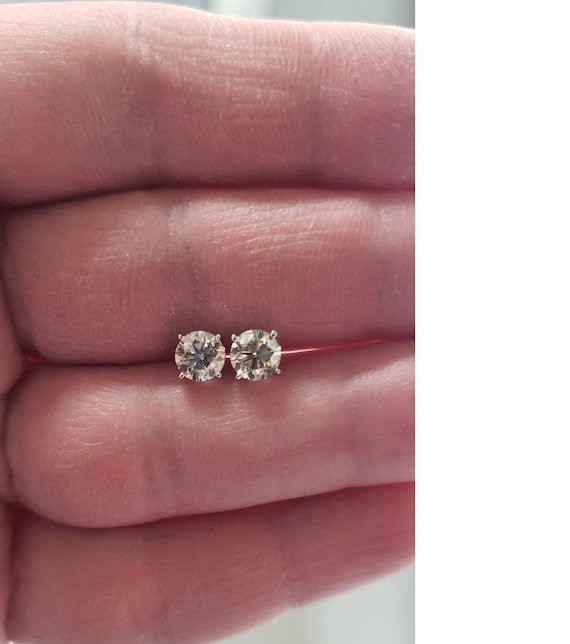
Why lab grown diamonds are becoming popular in New Zealand comes down to three plain shifts: lower cost for identical physical stones, verified origin, and changing retail stocks. Shoppers can now buy larger gems for their budget without the ethical doubts of open-pit mining.
Why lab grown diamonds are becoming popular
The rapid surge in customer interest traces back to specific buying habits across the country:
- Price gap: Buyers get a stone with the exact same chemical structure as a mined gem for a fraction of the price. That allows couples looking for lab grown diamonds NZ retailers stock to get a larger centerpiece.
- Origin tracking: Shoppers want proof that their purchase didn’t fund conflict or ruin local habitats. A laboratory report gives that clear trail.
- Mainstream jeweller adoption: High-street showcases now display created gems right beside extracted inventory, removing the old stigma.
- Style trends from abroad: Global demand seen in places selling lab grown diamond rings Manchester buyers favour has washed over local design tastes.
| Buyer Concern | Primary Cause | Best Action to Take |
| High diamond prices | Traditional supply chains add heavy markups | Switch to created stones for better value |
| Unknown stone source | Mined diamond pipelines mix rough lots | Check for a known lab origin certificate |
| Resale value doubts | Secondary markets pay less for all diamonds | Buy for wear rather than financial gain |
Safe Checks to Perform Before You Buy
You don’t need expert gemology tools to protect yourself while shopping, but you must look at a few basic details before handing over payment:
First, check the paperwork. Reputable jewelers supply a grading report from an independent body such as the Gemological Institute of America or the International Gemological Institute. If a seller offers only an in-house store card, walk away.
Tip: Always inspect the stone’s girdle under a basic 10x jeweler loupe to confirm the laser report number matches your certificate.
Next, confirm the metal stamp inside the band to make sure the setting matches what you paid for. Finally, check the store’s exchange and return window in writing.
Deciding Between Buying Local or Sourcing Overseas
If a ring has loose prongs or a stone sits crooked, you must decide who handles the fix. Small setting adjustments belong to a qualified bench jeweler, not an amateur with pliers.
Buying locally makes future resizing, annual prong tightening, and warranty claims easy. Sourcing an uncertified stone from an unknown overseas website often ends in disappointment, and shipping it back for repair costs more than the initial discount. Work with an established local jeweler who will service the piece for life.
Take your time to view both stone types side by side in neutral daylight. Ask the jeweler to show you the certification documents first, and select the piece that fits your daily lifestyle and actual budget.
Final Thoughts
As these stones continue to reshape the local market, you’ll find them in most high-end jewelry stores across the country. If you’re planning an engagement or a special gift, it’s worth visiting a local jeweler to compare them side-by-side. You won’t be able to tell the difference, and your wallet will thank you.