What You Should Know Before You Buy
Buying a diamond is no longer limited to mined stones pulled from the earth. You now have another option that gives you the same physical structure without the mining process. That option is lab diamonds. Many buyers first hear about them through engagement rings. Others discover them while comparing prices online. The interest usually starts with one question. Why does one diamond cost far less than another even when both look almost identical? The answer matters because you are not just buying jewelry. You are spending money on something linked to memory value and long term use. You want clarity before making that decision. This guide explains what these diamonds are, how they are made, how pricing works and what you should check before buying one.
How They Are Made
A laboratory grown diamond is created using technology that copies the natural formation process of diamonds. Scientists place a small carbon seed in a controlled environment with heat and pressure. Over time the crystal grows layer by layer. The result is a real diamond. It is not cubic zirconia. It is not glass. It is not a fake stone. The chemical composition is the same as a mined diamond. Two methods are commonly used.
- HPHT which stands for High Pressure High Temperature
- CVD which stands for Chemical Vapor Deposition
Both methods produce stones used in rings, necklaces, earrings and bracelets. Most buyers cannot tell the difference with the naked eye.
Why More Buyers Are Choosing This Option
Price is usually the first reason. A mined diamond often costs much more than a stone with similar size and quality created in a lab. This allows buyers to choose a larger stone or better clarity while staying within budget. Example: A buyer with a limited budget may choose a one carat stone instead of a half carat mined option at the same price point. The second reason is supply transparency. Some buyers want more information about sourcing and production. A controlled production process gives clearer tracking from start to finish. The third reason is availability. Jewelry stores now carry more designs using these stones because demand has increased in recent years.
What Actually Matters When Comparing Stones
https://picvault.xyz/uploads/6a0eb7c410351.png
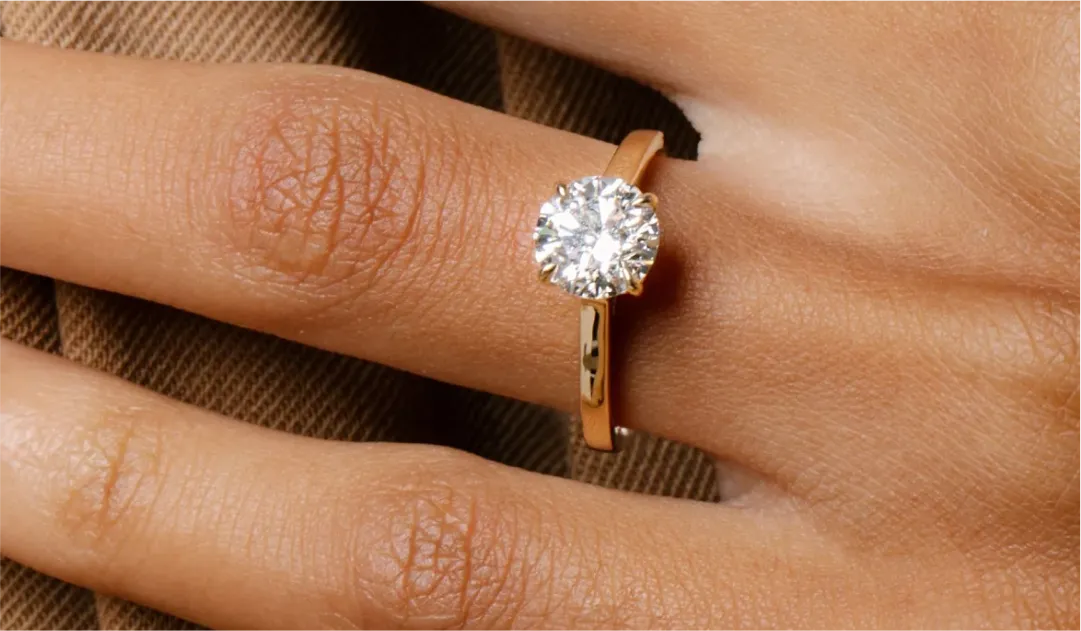
You should not focus only on size. Many buyers make this mistake because carat weight is easy to notice. A better approach is to compare the full quality profile. Look at the four key grading areas.
- Cut
- Color
- Clarity
- Carat
Cut affects sparkle more than anything else. A well cut diamond reflects light properly. Even a smaller stone can look brighter than a larger poorly cut one. At novitadiamonds.com you can compare different cuts and see how quality changes the overall appearance of a stone.
Color measures how clear or tinted the stone appears. Higher grades usually look more colorless. Clarity refers to internal marks called inclusions. Most are invisible without magnification. Carat measures weight not visible size alone.
Certification Is Not Optional
Always ask for certification before buying. A certified stone has been inspected by an independent grading lab. This report confirms measurements, quality grades and other technical details. Well known grading organizations include:
- IGI
- GIA
- GCAL
You should compare the report with the actual stone before purchase. If a seller avoids certification details you should move on.
Pricing Is Changing Fast
The market has shifted quickly over the last few years. Production methods improved. Supply increased. Competition grew. Prices dropped in many regions including AUS home jewelry markets and online retail stores. This benefits buyers but also creates confusion. Some people assume lower price means lower quality. That is not always true. In many cases the lower price reflects production scale rather than appearance or durability. Still you should compare multiple sellers before making a purchase. Do not rush because of a discount banner.
Where Buyers Often Make Mistakes
The most common mistake is buying based on emotion without checking details. Jewelry purchases often happen during weddings, anniversaries or important life events. That emotional pressure can push buyers toward quick decisions. Take time to inspect:
- Return policy
- Certification details
- Metal quality
- Ring setting security
- Warranty terms
Another mistake is ignoring daily wear needs. A large stone may look impressive online but practical comfort matters if you wear the ring every day. Example: A tall setting may catch on clothing or scratch surfaces during work. Choose something that fits your routine, not just a product photo.
Online vs Store Purchase
Both options have strengths. Online sellers often provide better pricing and larger inventory. You can compare specifications quickly without sales pressure. Physical stores allow you to inspect sparkle shape and setting in person. This helps first time buyers who want visual confirmation before spending money. If you buy online check:
- Zoom images
- Video previews
- Customer reviews
- Shipping insurance
- Return period
Do not rely only on promotional photos.
How These Stones Hold Up Over Time
Durability is strong because the material is real diamond crystal. You can wear it daily. It resists scratches well. Cleaning methods are similar to mined stones. Basic care still matters. Remove jewelry during heavy lifting or chemical exposure. Store pieces separately to avoid surface contact with other items. Clean using warm water, mild soap and a soft brush. Regular inspection also helps protect the setting especially for rings worn every day.
Resale Expectations
This area requires realistic thinking. Most lab diamonds lose value after purchase regardless of origin. Retail pricing includes manufacturing branding and markup. Resale markets for laboratory created stones are still developing. Some buyers focus on long term wear rather than resale return. That approach makes more sense if your priority is appearance use and budget control rather than investment. Do not buy expecting future profit. Buy because the product fits your needs now.
How to Choose the Right Shape
Shape changes the overall appearance more than many buyers expect. Round stones reflect light strongly and remain the most popular option. Oval cuts can appear larger than their actual carat weight. Cushion cuts create a softer look. Emerald cuts highlight clarity instead of sparkle. Try viewing different shapes side by side before deciding. Hand size, finger length and ring style all affect how the final piece looks when worn.
Questions Buyers Should Ask Before Paying
Before completing a purchase ask direct questions.
- Is the stone certified
- What grading lab issued the report
- Can I return it after inspection
- Does the price include setting and resizing
- What maintenance services are included
A reliable seller answers clearly without avoiding details.
Common Questions
Are lab diamonds real diamonds?
Yes. They have the same chemical and physical structure as mined diamonds. The main difference is how they are created.
Can you tell the difference without equipment?
Most people cannot identify the difference by sight alone. Specialized equipment is usually required for distinction.
Do they last as long as mined diamonds?
Yes. They are durable enough for daily wear and long term use when properly cared for.